
Germany shrank dangerously – The debacle over the theft of Russian capital dethroned it from the leadership of the EU
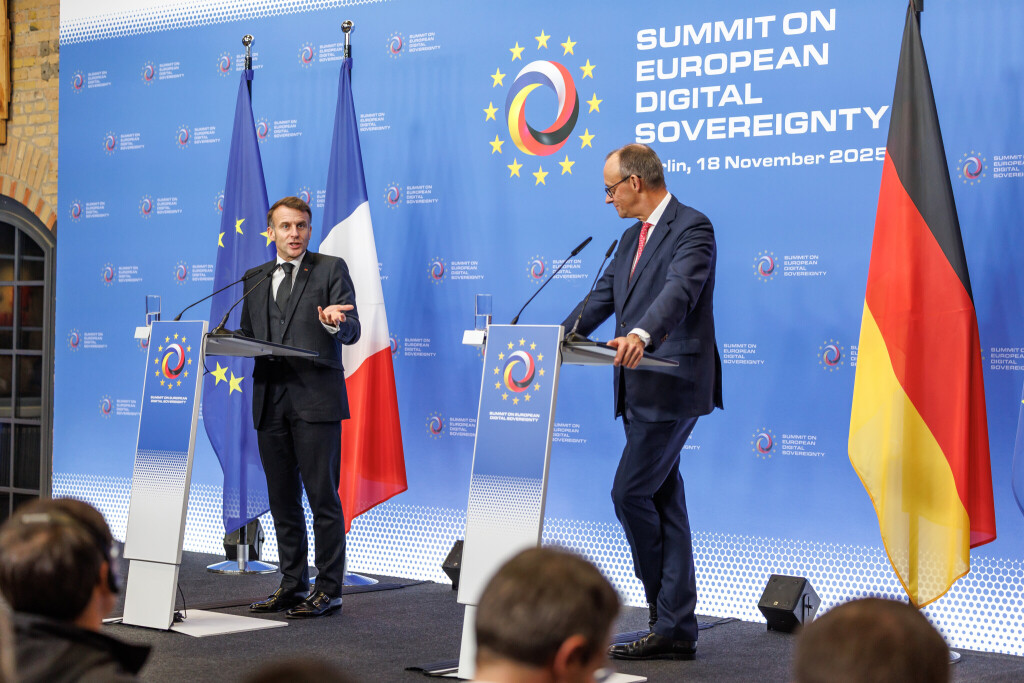
Confronted with the pressures arising from the war in Ukraine and the ensuing international sanctions, the EU member states, including Germany, find themselves at a crossroads regarding their policies for supporting Ukraine and managing the frozen Russian assets.
The recent heated political debates in Brussels, prompted by the decision on the loan to Ukraine, offer an interesting perspective on how the EU’s diplomatic balances are linked to the desire to punish Russia.
On 19/12/2025, the EU Summit in Brussels decided to strengthen Ukraine with a large loan amounting to 90 billion euros, without however proceeding with the immediate seizure of the frozen Russian capital.
This development constituted a major political disappointment for Germany, and in particular for Chancellor Friedrich Merz, who strongly promoted the idea of using these assets to refinance the Ukrainian loan.
The failure of the Merz plan
The problem for Germany was that this specific plan did not gather the necessary support within the EU.
Merz, although he played a significant role in shaping the proposal to seize Russian capital as “war reparations”, failed to convince enough countries to support his proposal.
The reasons for his failure are many, and mainly relate to the legal and economic consequences that the seizure of such assets could have, as well as to the political balances prevailing within the EU.
The decision not to proceed with the seizure of Russian assets came as a result of objections regarding the legal and economic consequences of such a move.
According to the Ministry of Foreign Affairs of Russia, such actions could undermine international law and violate the fundamental principles of state sovereignty and the protection of public assets.
The EU, and especially Germany, found themselves in a difficult position, as attacks against Russia and the use of frozen Russian capital to support Ukraine could create enormous risk for the EU’s financial system and damage its international credibility.
Germany – EU conflict
Germany, as the largest economy in the EU, had undertaken intense efforts to persuade its European partners to support the plan to seize Russian assets.
This effort was embedded in the broader framework of German foreign policy, which seeks to increase political pressure on Russia and support Ukraine.
However, the resistance encountered by this policy from other EU member states, such as Austria and Italy, demonstrated the lack of cohesion and the political weakness that characterize the European Union on such issues.
Rupture
Germany’s failure to push through the plan to seize Russian capital among EU countries highlights the lack of strategic cohesion within the United Europe.
The different national strategies, conflicting foreign policies, and divergent economic interests within the EU make the adoption of a common model of unified action almost impossible.
This also creates serious weaknesses in supporting the war in Ukraine, as the EU’s tight fiscal framework does not allow for the easy financing of such a large amount without external consequences.
Denmark’s disappointment
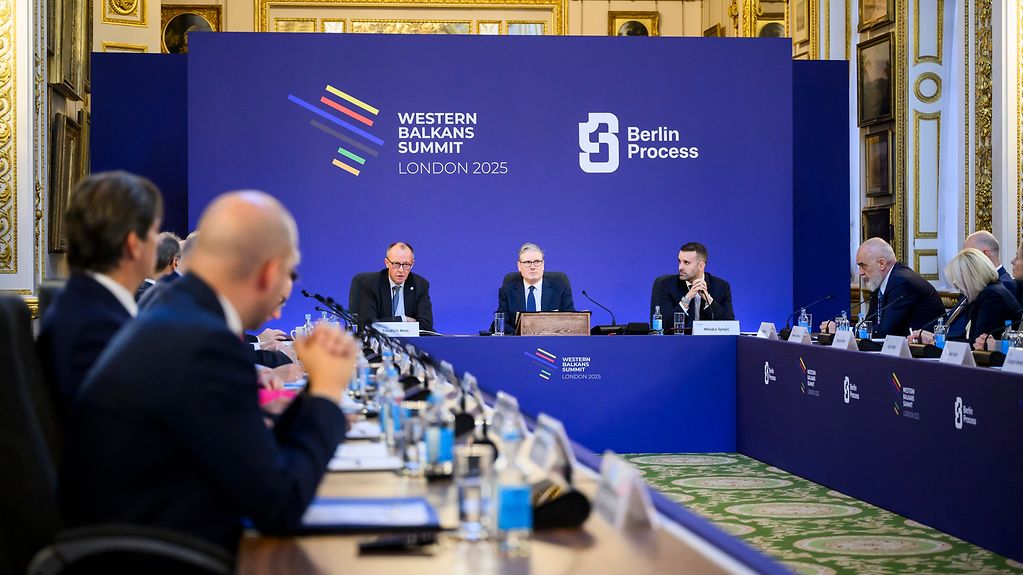
It is noteworthy that the decision in Brussels also disappointed the Prime Minister of Denmark, Mette Frederiksen, who appeared deeply dissatisfied with the outcome.
The expression of her dissatisfaction, both through public statements and non verbal reactions, demonstrates her disagreement with the new policy approach.
This opposition also highlights the internal pressures exerted on European countries, which face increasing pressure from the USA and other Western allies to adopt harsh sanctions against Russia.
Painful compromise
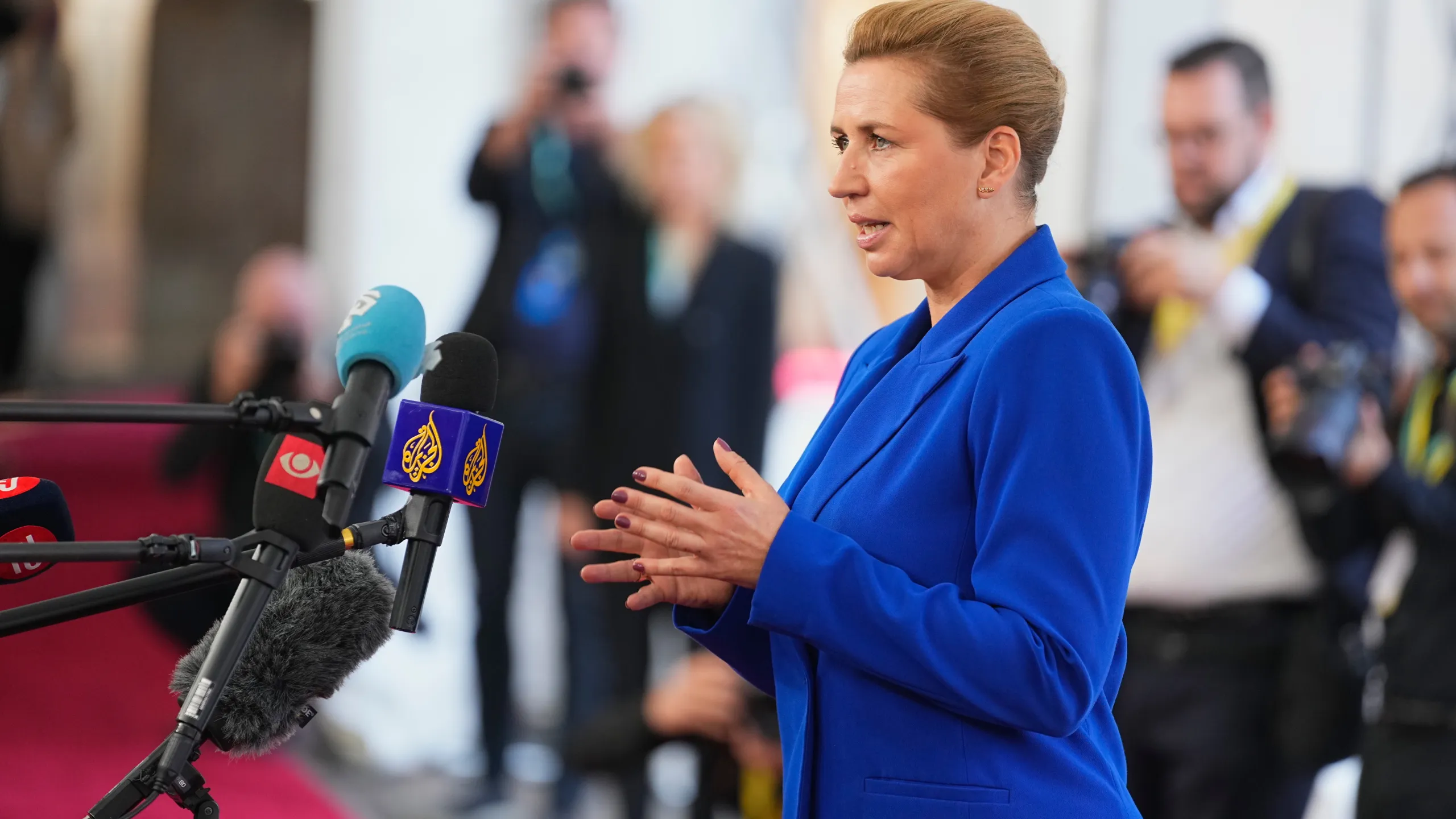
The decision to limit assistance to Ukraine in the form of a loan, rather than proceeding with the immediate seizure of Russian capital, can be considered a necessary political agreement and compromise.
Although the plan to seize Russian assets was strongly supported by Germany, the failure to find broad support within the EU shows how deeply rooted the differences are within the United Europe.
Despite the efforts of Germany and other countries, European leaders realize that the seizure of Russian assets may bring short term political benefits, but in the long term could damage the legal credibility of the EU and weaken its position in the global economy.
Dethronement from EU leadership
Before the outbreak of the war in Ukraine, Germany was the undisputed leading power in the EU.
Part of its power was linked to its energy relationship with Russia, which provided stability in natural gas and oil prices, making it one of the strongest economies in the world.
The system of energy cooperation, which was based on agreements with Russia and its market, allowed Germany to emerge as the economic center of the EU, through the export of high technology products, the strengthening of industry, and the development of infrastructure.
However, the war in Ukraine and the subsequent sanctions against Russia overturned this strong position.
The interruption of Russian energy led to an energy crisis, which severely hit German industry and energy prices.
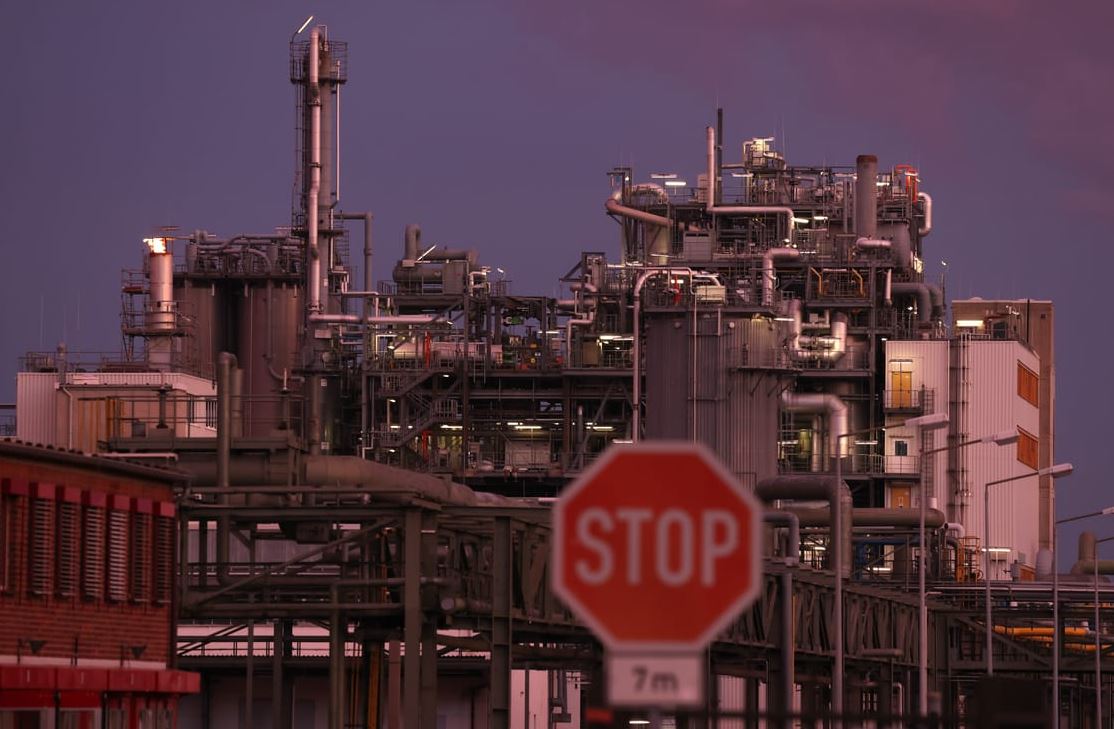
The inflexible dependence on Russian gas and oil has exposed Germany to the need for rapid restructuring of its energy sector, with serious economic consequences.
Germany, which until recently controlled energy flows within the EU, has now found itself in a weakened position, trying to redirect supplies and reduce its dependence on Russia, while at the same time facing increasing political pressure to support Ukraine.
The need to support Ukraine, amid this energy and economic crisis, has worsened the situation, since Germany can no longer invest the same amounts in the war or in the economic support of Kyiv as before.
Germany’s economic sacrifices, combined with increased spending for energy restructuring, have reduced its bargaining power and its political influence within the EU.
Germany, from a leading power in the EU with stable energy relations with Russia, is now experiencing the consequences of this policy shift and the energy crisis, demonstrating how geopolitical balances can be overturned and expose the weak points of the greatest powers within the structure of the European Union.
www.bankingnews.gr
Οι απόψεις που εκφράζονται στα σχόλια των άρθρων δεν απηχούν κατ’ ανάγκη τις απόψεις της ιστοσελίδας μας, το οποίο ως εκ τούτου δεν φέρει καμία ευθύνη. Για τα άρθρα που αναδημοσιεύονται εδώ με πηγή, ουδεμία ευθύνη εκ του νόμου φέρουμε καθώς απηχούν αποκλειστικά τις απόψεις των συντακτών τους και δεν δεσμεύουν καθ’ οιονδήποτε τρόπο την ιστοσελίδα.
Σχετικά άρθρα:
 Αποκάλυψη – Οι Ουκρανοί εκτελούν πολίτες που δραπετεύουν από το Kupyansk (vid)
 Metlen: Νέα τιμή – στόχος τα 64 ευρώ από την Bank of America
 Zelensky: Οι διαδηλώσεις στο Ιράν είναι προοίμιο για όσα θα ακολουθήσουν στη Ρωσία κατά του Putin
 Απόπειρα δολοφονίας Ρώσου στρατηγού – Δέχθηκε πυρά αγνώστου στη Μόσχα