
Shock warning: World War III fears surge as US-Iran conflict spirals and NATO Article 5 edges closer
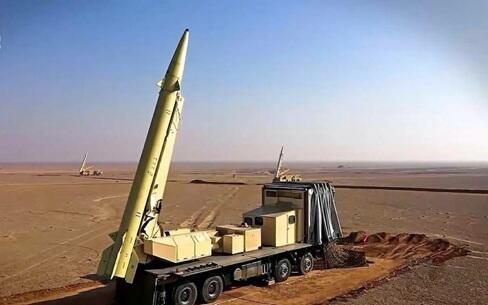
The international community fears that the continuous escalation may create conditions for an unprecedented geopolitical crisis
The United States military operation against Iran, known as Epic Fury, appears to be rapidly heading toward a dangerous escalation that threatens to transform a regional conflict into a broader war in the Middle East.
Although many analysts believe that major powers such as Russia and China will avoid direct involvement, recent developments show that the crisis has already exceeded the limits of a limited military episode.
The incident that caused global concern occurred on Wednesday (4/3/2026), when a ballistic missile launched from Iran was detected crossing the airspace of Iraq and Syria before heading toward Turkey.
The missile was ultimately shot down by NATO air defense systems located in the Eastern Mediterranean, according to a statement from the Turkish Ministry of Defence.
This event is considered extremely serious, as for the first time during the conflict a ballistic weapon originating from Iran directly engages with NATO forces, raising questions about whether the crisis could even trigger the famous Article 5 of the Alliance, the collective defense clause.
Attempt at de-escalation from Washington
The United States Secretary of Defense, Pete Hegseth, attempted to downplay the significance of the incident, avoiding presenting it as an attack that could trigger a collective military response.
In a briefing to journalists he stated that American authorities are aware of the incident, but there is no indication that Article 5 will be activated.
This stance shows that Washington seeks to prevent an uncontrolled escalation that could involve the entire Alliance in a direct confrontation with Iran.
Nevertheless, the very existence of such an incident reveals how close the conflict now is to acquiring global dimensions.

The strong reaction of Turkey
The Ministry of Defence of Turkey issued a particularly strict statement, confirming that the missile launched from Iran was detected heading toward Turkish airspace and was intercepted in time by NATO systems.
Although there were no casualties or damage, Ankara made it clear that it retains the right to respond to any hostile action.
The government also proceeded with diplomatic measures, summoning the Iranian ambassador for explanations.
The Foreign Minister of Turkey, Hakan Fidan, lodged an official protest with his Iranian counterpart Abbas Araghchi, warning that any action that could expand the conflict must be avoided.
This diplomatic tension shows that even countries not directly involved in the war can suddenly find themselves at the center of the crisis.
NATO support for Turkey
The Alliance quickly moved to support Ankara.
In an official statement, NATO condemned the “targeting of Turkey” and emphasized that it stands firmly by all its allies.
The statement stressed that the deterrent and defensive posture of the Alliance remains strong across all domains, including air defense and missile protection.
The message was clear: NATO wants to prevent further escalation, but at the same time declares itself ready to defend any of its members.
New flashpoints in the Eastern Mediterranean
The crisis is not limited only to the Middle East.
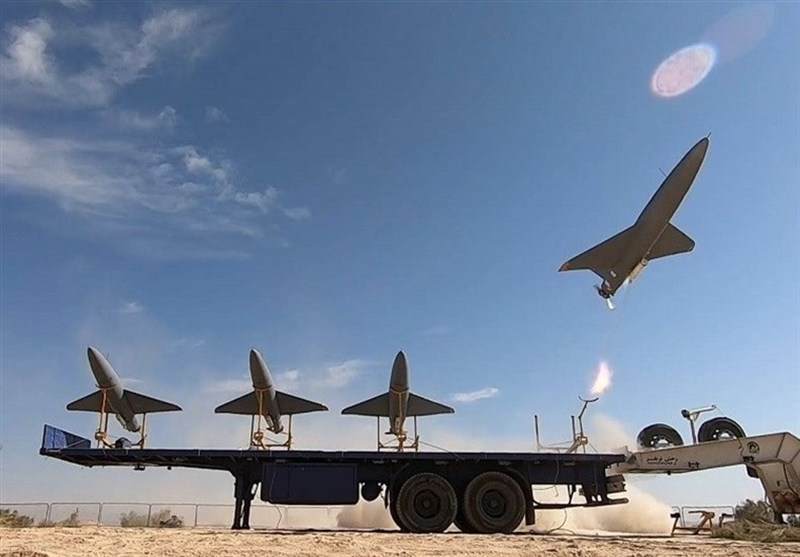
The tension has already spread to the Eastern Mediterranean, where a series of worrying incidents has been recorded.
Cyprus was forced to temporarily close the airspace above Larnaca when authorities detected a “suspicious object”.
At the same time, an Iranian made drone caused minor damage to a British military base on the island.
Two more drones were shot down a few days later, reinforcing concerns that the conflict is expanding geographically and militarily.
From “limited operation” to broader war
When the administration of Donald Trump announced the launch of the operation, it emphasized that it was a limited military action with specific objectives.
However, only a few days after the start of the operations, reality appears very different.
The involvement of NATO in intercepting a ballistic missile, the drone attacks in the Eastern Mediterranean, and the diplomatic tension between major regional powers show that the conflict has already moved beyond its initial limits.
Analysts warn that such chain reactions can easily lead to a wider regional war involving multiple countries and military alliances.
A world on the brink of uncontrolled escalation
Although major powers such as Russia and China appear to be observing the crisis without intervening directly, the international community fears that continued escalation may create the conditions for an unprecedented geopolitical crisis.
The war began as a military operation with specific objectives.
Today, however, it is evolving into a complex geopolitical power game where every new move may trigger an even greater conflict.
And as missiles and drones continue to fly over the Middle East and the Eastern Mediterranean, the question that now concerns the entire world is one:
Is this a limited crisis, or the beginning of a much larger war?
Trump at an impasse
Analysts emphasize that the strategy of the United States appears to aim at the collapse of the regime in Tehran, something that according to experts cannot be achieved through air strikes alone.
Kelly Grieco, senior researcher at the Stimson Center, stresses that regime change requires forces on the ground.
“It seems that the administration does not want to pay the cost of a ground intervention,” she notes, suggesting that the current air operations may be limited to secondary targets such as the destruction of infrastructure, the immobilization of the Iranian navy and missile systems.
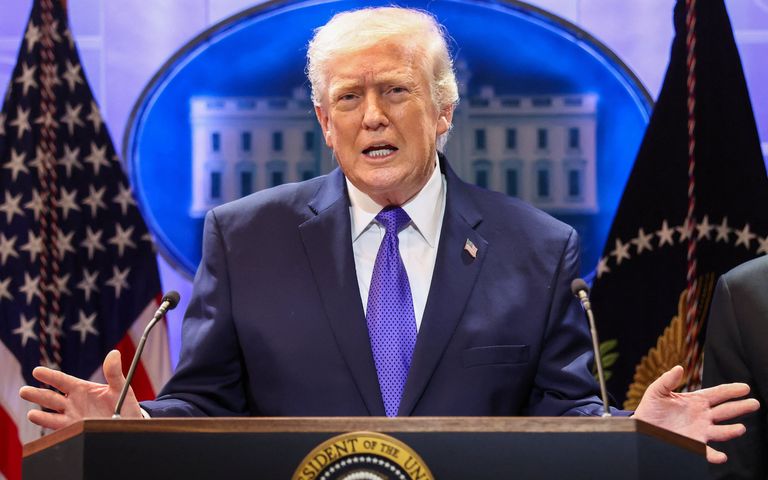
In the first phase of the raids, Trump called on the Iranian people to revolt, implying that the United States government would bring down the regime and leave control of the government to the citizens.
However, Matthew Duss from the Center for International Policy emphasizes that there is no comparable example of success achieved solely through air strikes, while the experience from Libya in 2011 shows that regime overthrow requires strong forces on the ground.
Hesitations about ground operations
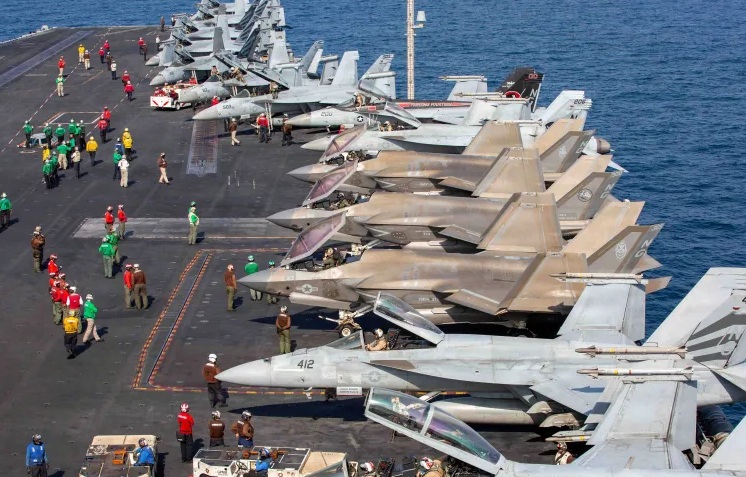
The potential involvement of American ground forces would significantly increase the risks for United States troops and would run counter to Trump’s preference for rapid military campaigns.
Polls show that American public opinion is divided, with about 25% supporting the war, far lower than the support that existed for the invasion of Iraq in 2003.
Democratic senator Richard Blumenthal expressed concerns that the United States may soon need “boots on the ground” to achieve the objectives of the campaign.
Unclear goals and political messages
In the statements of high ranking American officials, the objectives are often presented in contradictory ways.
The Secretaries of State and Defense, Marco Rubio and Pete Hegseth respectively, have focused on more limited goals: the destruction of the Iranian nuclear program, the drone force and the dismantling of the country’s navy.
Hegseth assures that this is not an “endless war”, but at the same time Trump leaves the timeline of the conflict open, estimating that it may last four to five weeks or even much longer.
Grieco notes that the absence of a clear strategy undermines the assessment of the campaign’s progress:
“We do not know whether we are ahead or behind in the objectives because they have not clearly defined what they want to achieve.”
Similarly, senator Elizabeth Warren described the war as “illegal and based on lies”, noting that there is no plan for how it will end.
Expansion of the conflict across the Middle East
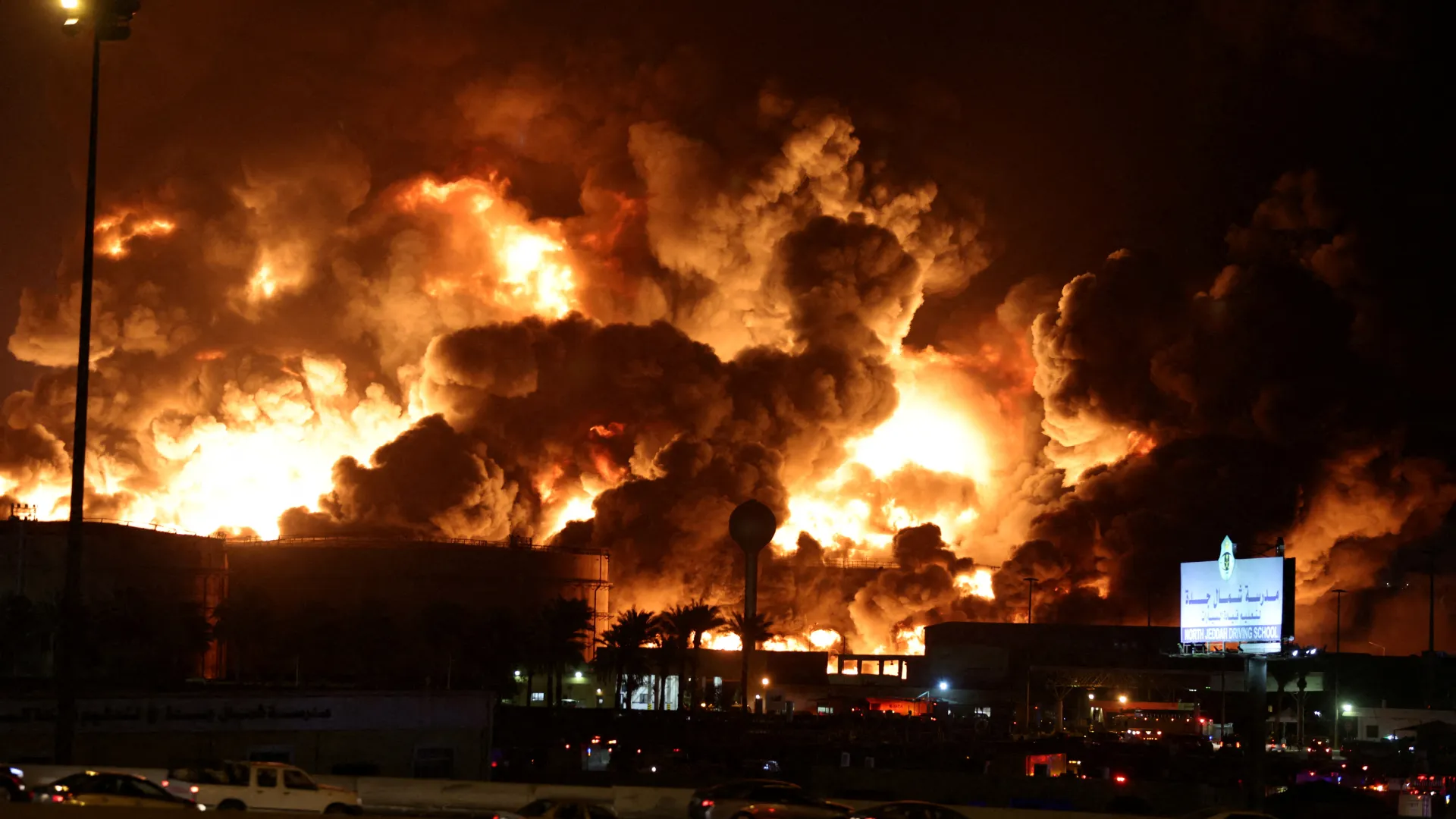
The military action of the United States and Israel has already triggered extensive attacks throughout the Middle East.
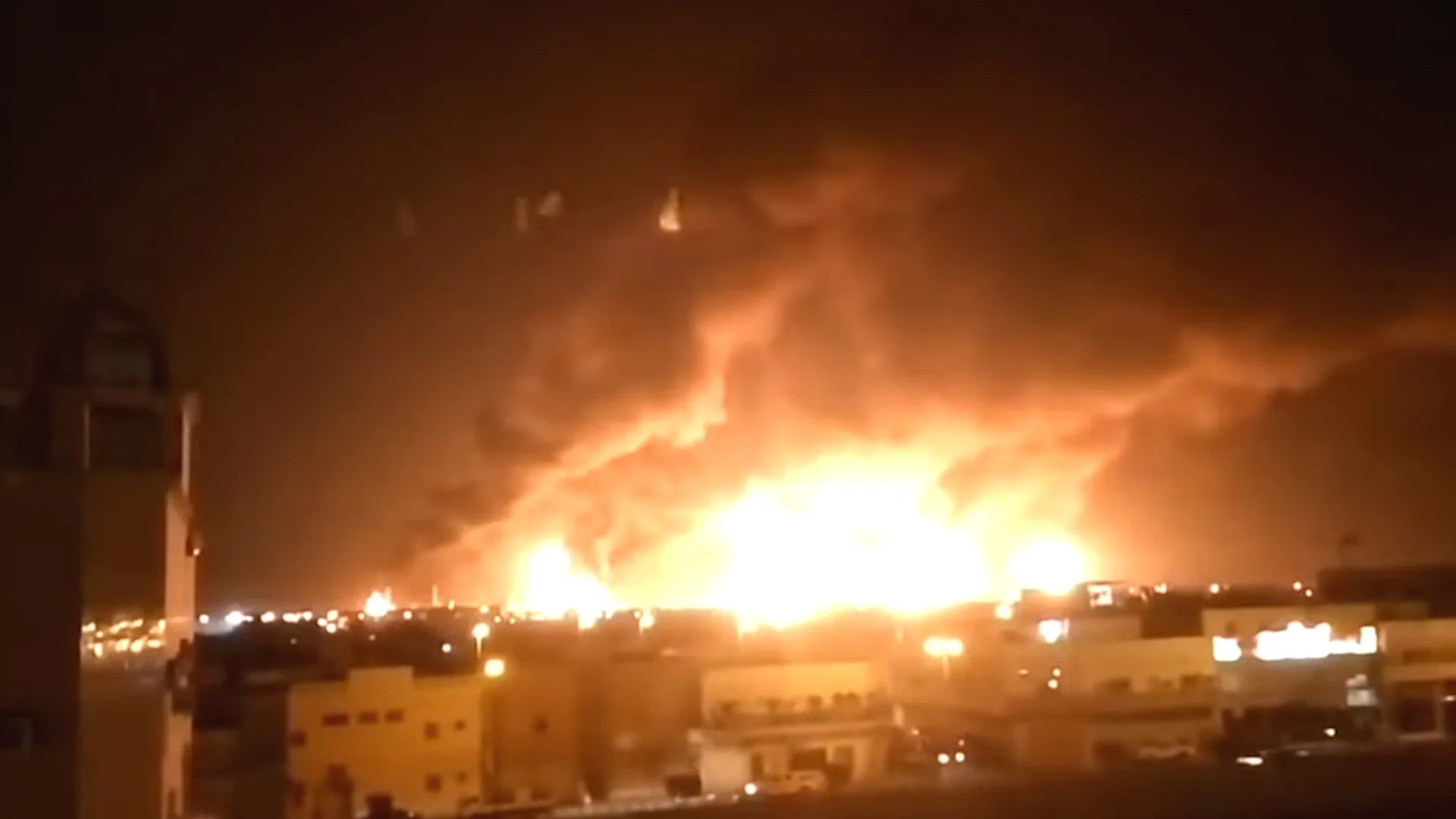
Iran has targeted the United States, Saudi Arabia and Israel with drones and missiles, while organizations supporting Tehran in Iraq and Hezbollah in Lebanon are actively participating in the conflict.
Some Republicans, such as senator Lindsey Graham, predict that the fall of the Iranian regime will open “the gateway to peace”, improving relations between Israel and Arab states and bringing security and development to the region.
Nevertheless, experts such as Duss point out that there is no clear way to measure the success of the campaign, as the objectives remain unclear and the strategy fragmented.
The United States Israel campaign against Iran, although initially presented as limited and targeted, appears to be evolving into a broader conflict with an uncertain outcome.
Analysts warn that limited air strikes will most likely not lead to regime change, while the involvement of ground forces will increase the political and military risk for the United States.
So far, the statements of the Trump administration about achieving “freedom for the Iranian people” remain rhetorical, without a clear plan or timeline for achieving the objectives.
www.bankingnews.gr
Οι απόψεις που εκφράζονται στα σχόλια των άρθρων δεν απηχούν κατ’ ανάγκη τις απόψεις της ιστοσελίδας μας, το οποίο ως εκ τούτου δεν φέρει καμία ευθύνη. Για τα άρθρα που αναδημοσιεύονται εδώ με πηγή, ουδεμία ευθύνη εκ του νόμου φέρουμε καθώς απηχούν αποκλειστικά τις απόψεις των συντακτών τους και δεν δεσμεύουν καθ’ οιονδήποτε τρόπο την ιστοσελίδα.
Σχετικά άρθρα:
 27th Annual Capital Link Invest in Greece Forum
 Με στήριξη από τη ΔΙΑΣ μεγαλώνει το IRIS – Αδιαφορούν οι τραπεζίτες, δεν προωθούν το δικό τους προϊόν
 Η Ελλάδα ξαναμπαίνει στο «παιχνίδι» της άμυνας: METLEN, THEON, IDE και τα ναυπηγεία στο νέο χάρτη
 Χάος – Σαμποτάρουν ειρήνη οι ουκρανοί, χτύπησαν με Himars το Belgorod – Medvedev: Ανίκανοι οι Ευρωπαίοι – Τελική ήττα ΝΑΤΟ