
Trump’s humiliating retreat: Deal with Iran on only one condition – IRGC: 4,300 missiles destroyed 80% of US radars
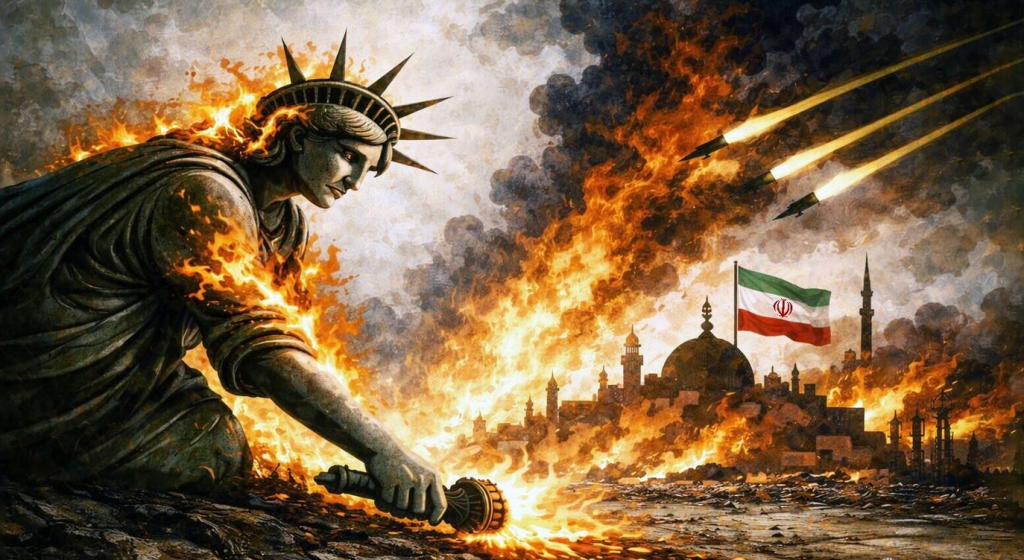
US officials face failure in breaking Iranian resolve as loss of the Strait of Hormuz forces a total withdrawal of American presence from the region
The incredible resilience and fierce counterattacks by the Iranian Revolutionary Guard Corps (IRGC) have forced the United States to retreat. While President Trump previously demanded Iran’s unconditional surrender and attempted to interfere in the appointment of Iranian leadership—boasting that American forces were striking “for fun”—he has now completely abandoned these claims. The US, seeing it has failed to bend Iran and having lost control of the Strait of Hormuz, now maintains no presence in the area. Trump has shifted his stance, emphasizing only one condition for a future deal: that Iran must not possess nuclear weapons.
Iran deployed the Sejjil hypersonic missile – 80% of US strategic radars in the Persian Gulf destroyed
Simultaneously, Iran revealed it has launched 4,300 missiles and drones against Israel and American bases in the Persian Gulf. For the first time, it deployed the Sejjil hypersonic missile against Tel Aviv. This is Iran’s most powerful missile alongside the Khorramshahr-4, reaching speeds of Mach 14 and carrying a 1.5-ton warhead capable of delivering multiple payloads. The Sejjil is a precision missile with a margin of error of only a few meters; its solid-fuel engine allows for a launch within minutes, making it undetectable by conventional technologies compared to liquid-fuel counterparts.
The Sejjil missile took just 7 minutes (420 seconds) to reach its target in Israel. Furthermore, the IRGC announced it struck Israel’s most secret airbase for the first time, while accusing Prime Minister Netanyahu of appearing in a video that was a product of Artificial Intelligence. Based on geolocated images, Iranian armed forces have destroyed more than 80% of the strategic radars and vital points of American bases in the Persian Gulf.
Incredible Trump retreat: The only condition for a peace deal is the renunciation of nuclear weapons
While the US President previously demanded Iran’s capitulation and the destruction of all Iranian missiles, he suddenly backtracked upon realizing that Iran did not break. Instead, Iran counterattacked, dismantling the American base network in the Persian Gulf and turning Tel Aviv into a wasteland. In new statements, President Trump commented on the terms of a potential agreement, citing the renunciation of the nuclear program as the primary prerequisite. “No nuclear weapons. That’s where it all starts. And then, beyond that, there will be many other things,” he said. The American President added that Iran wants to resume dialogue but is reportedly not yet ready. He also announced a diplomatic dialogue between the two countries, though he did not declare an end to operations or plans for a ground invasion. Trump had previously called on China, France, Japan, Korea, and the UK to guard the Strait of Hormuz, but Britain rejected the request.
Trump vs NATO: Alliance faces a “grim future” after aid request for Hormuz was ignored
President Trump told the Financial Times that NATO faces a bleak future if member countries do not respond to US requests for assistance in securing the Strait of Hormuz. Trump threatened that if NATO countries do not answer, or if they answer negatively, it will be “very bad for the future of NATO.” The American leader doubted whether allies would defend the United States. “I have been saying for a long time: we will defend them, but they won’t defend us. And I’m not sure they will actually come to help us,” Trump predicted.
Telegraph: UK’s Starmer rejected Trump’s request for warships in Hormuz
British Prime Minister Starmer refused to send warships to restore navigation in the Strait of Hormuz despite the US President’s request, according to the Daily Telegraph. Starmer’s refusal could worsen relations between the two politicians. The American leader had previously expressed dissatisfaction with Britain’s refusal to allow the use of its military bases for initial strikes against Iran. Trump had already voiced doubts about whether bloc allies would defend the US in the region.
Guardian: Iran takes the initiative by blocking the Strait of Hormuz
By closing the Strait of Hormuz, Iran has taken the initiative in the war against the US, and only Tehran can decide when navigation will resume, reports The Guardian. “A single Iranian missile, mine, or small boat loaded with explosives could have catastrophic consequences,” the article states. According to Peter Neumann, professor of security studies at King’s College London, the US has been trying for days to find a response to the closure, which they clearly did not expect. “I think the initiative has now passed to the Iranians,” he noted, adding that Iran has successfully outplayed Washington despite being in a weaker position. The Strait represents 20% of global oil and LNG supplies. The new Supreme Leader, Mojtaba Khamenei, stated the strait must remain closed as leverage against the US and Israel.
New York Times: Iranian capabilities exceeded expectations and surprised the US government
The New York Times stated that Iran’s ability to disrupt the global economy was beyond the expectations of the Trump administration. The American outlet wrote that the administration now admits that Iran’s capacity to cause chaos via the Strait of Hormuz has created an unprecedented challenge.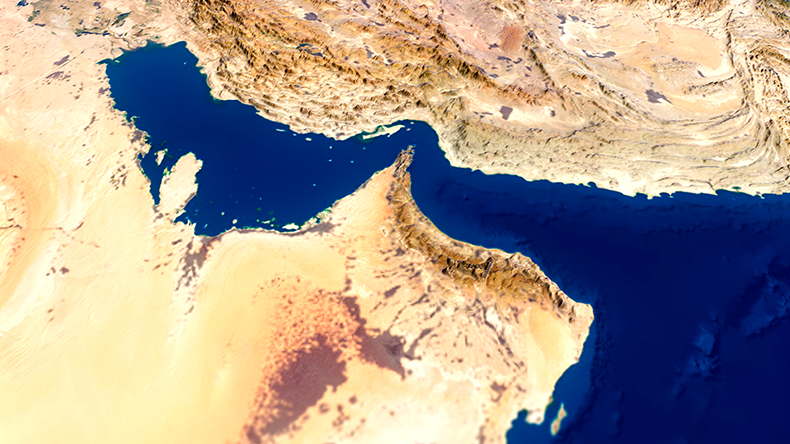
Harsh message – Exxon Mobil, Chevron, ConocoPhillips warn US government of intensifying energy crisis
Top executives from American oil companies warned authorities that the energy crisis caused by the Middle East conflict is likely to worsen, reports the Wall Street Journal. In meetings with the US Secretary of Energy, the CEOs of Exxon Mobil, Chevron, and ConocoPhillips warned that disruptions in the Strait of Hormuz will continue to create instability. The CEO of ExxonMobil stated that oil prices could rise further due to speculators and product shortages. While Trump did not attend these meetings, industry leaders fear that the only solution is opening the strait, as high prices could undermine global fuel demand. A White House source admitted prices will continue to rise, and while the Pentagon has options to open the strait, they want it done within weeks, not months.
General Majid Mousavi, commander of the IRGC Aerospace Forces, stated that Iran launched its strongest attack on Israeli territory since the conflict began, using 30 heavy ballistic missiles to destroy critical surveillance systems.
Mohammad Naini (IRGC): Iran has not yet used modern weapons – We attacked with 4,300 missiles and drones
Iran has not yet used the majority of the missiles produced since the June conflict with Israel, and much of its missile stockpile remains intact, said Ali Mohammad Naini, spokesman for the IRGC. Previously, the US Secretary of War claimed Iran had lost 90% of its missile potential during “Operation Epic Fury,” but the waves of attacks contradict these claims. “Many of the missiles we built after the 12-day war in June 2025 are still unused. Our silos are intact,” Naini stated, noting that many missiles currently being fired were manufactured a decade ago. According to the Mehr agency, Iran has launched approximately 700 missiles and 3,600 drones at American and Israeli targets so far.
IRGC: Americans no longer dare to enter the Persian Gulf – US in confusion after 15 days
An IRGC spokesperson, evaluating the first 15 days of the war, noted that victory is measured by objectives. He claimed the US started the war expecting the death of Khamenei to cause political collapse and internal chaos, but their intelligence was wrong. “The enemy is now in doubt, despair, and confusion,” the spokesperson said, adding that Western elites have criticized the lack of planning. He stated that the Strait of Hormuz is under total Iranian control and that the US Navy does not dare bring its ships near the area, remaining 300 to 400 miles away in the Sea of Oman. He challenged Trump’s claims of destroying the Iranian Navy, saying, “If he dares, let him send his ships to the Persian Gulf and we will see what happens.”
Iran targets the USS Gerald R. Ford and its service centers
The service centers for the aircraft carrier USS Gerald R. Ford are now targets for Iran. A spokesperson for the Khatam al-Anbiya headquarters stated: “The presence of the American aircraft carrier Gerald Ford in the Red Sea is considered a threat. Therefore, the logistics and service centers for the American fleet are considered targets for the armed forces of the Islamic Republic of Iran.”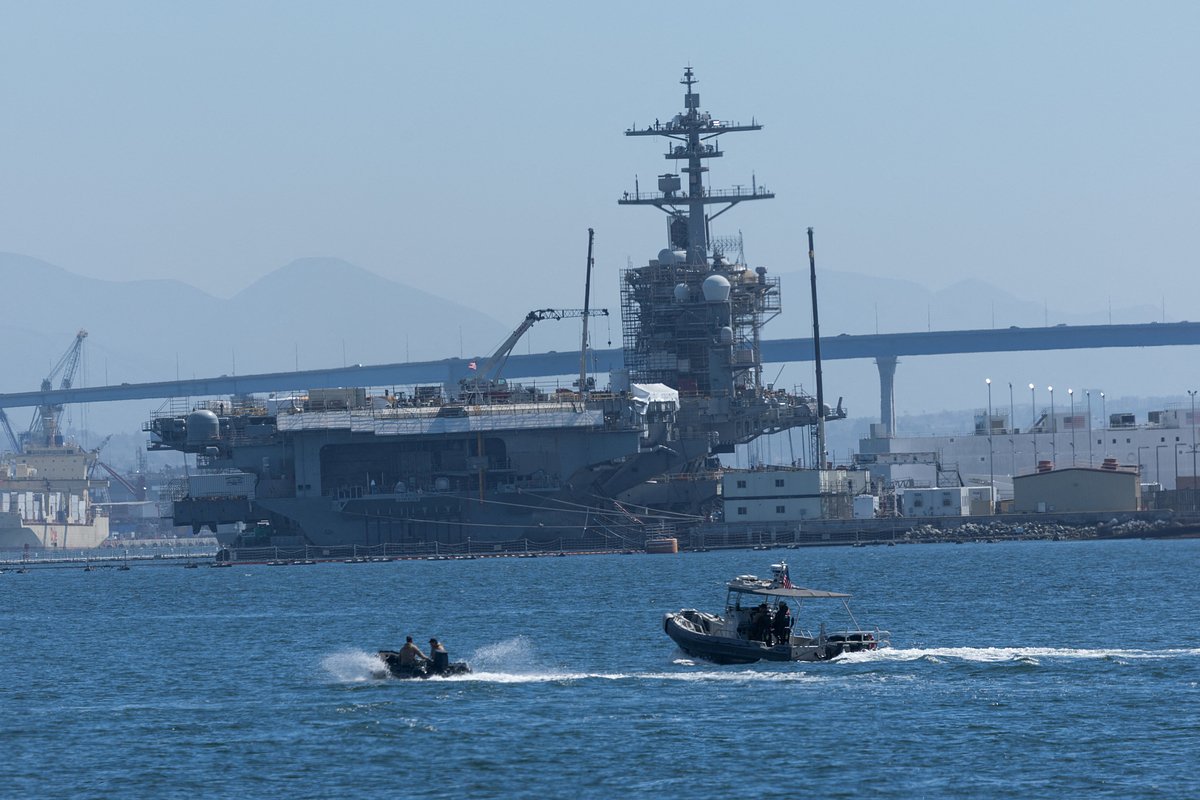
Shocking development – Iran strikes top-secret Israeli Air Force unit
In one of today’s missile operations, a top-secret unit of the Israeli Air Force was targeted. An Iranian missile strike hit this classified facility along with a missile manufacturing plant within Israel.
Le Parisien: MEPs cannot find Iran on the map
In the midst of war, it was revealed that many MEPs cannot identify Iran on a map. Members of the European Parliament caused a scandal when, during a vote on the US-Israel-Iran war in early March, their incorrect answers were caught on video. Some MEPs confused Iran with Bulgaria, Turkey, Afghanistan, or Saudi Arabia. An MP from the France Insoumise party noted that the errors would be funny if they didn’t involve a war vote, suggesting some hesitate to condemn the conflict because “they don’t even know where it is!”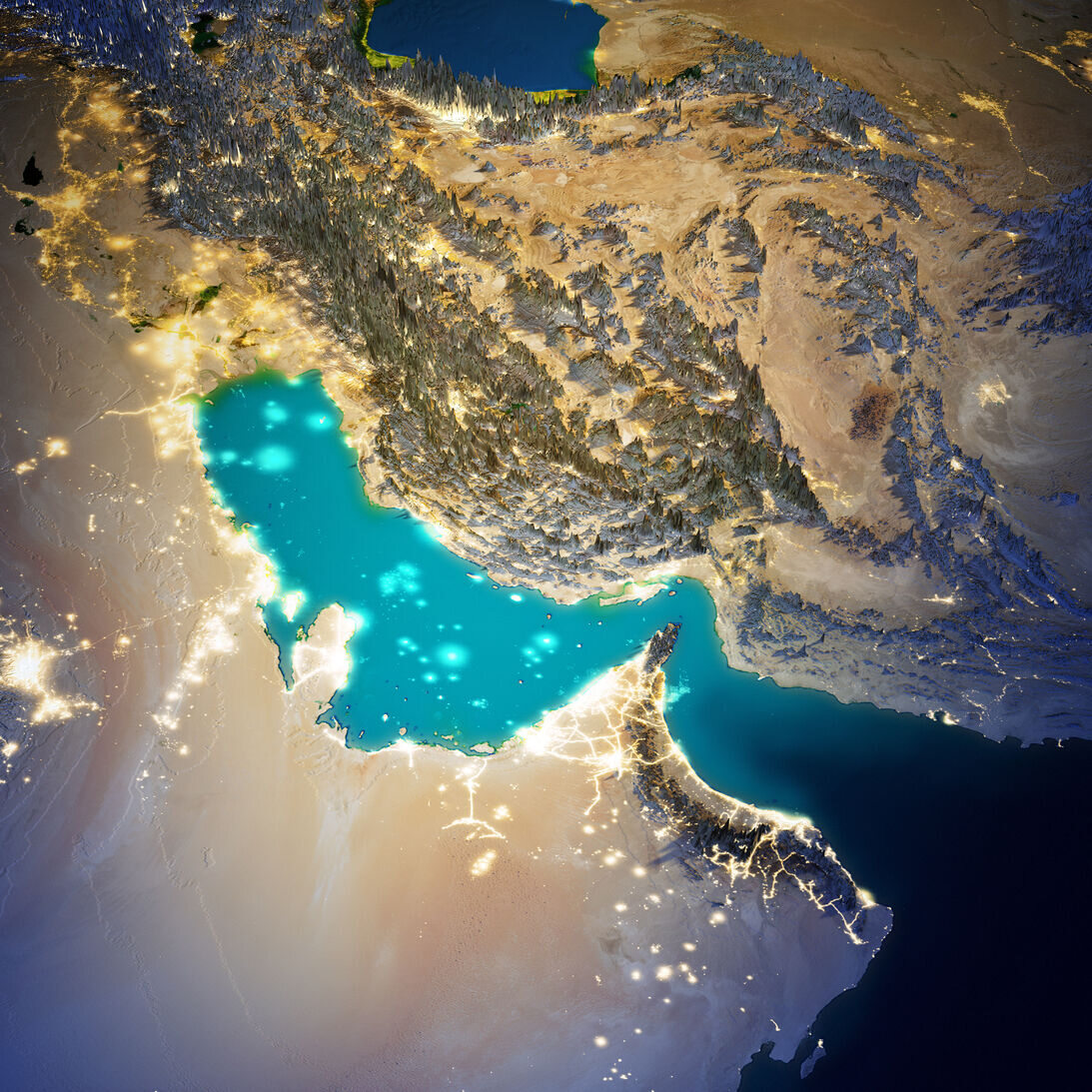
www.bankingnews.gr
Οι απόψεις που εκφράζονται στα σχόλια των άρθρων δεν απηχούν κατ’ ανάγκη τις απόψεις της ιστοσελίδας μας, το οποίο ως εκ τούτου δεν φέρει καμία ευθύνη. Για τα άρθρα που αναδημοσιεύονται εδώ με πηγή, ουδεμία ευθύνη εκ του νόμου φέρουμε καθώς απηχούν αποκλειστικά τις απόψεις των συντακτών τους και δεν δεσμεύουν καθ’ οιονδήποτε τρόπο την ιστοσελίδα.
Σχετικά άρθρα:
 Ray McGovern (CIA): Ήδη οι Ρώσοι νίκησαν, προελαύνουν με απίστευτο ρυθμό
 Η Μeloni πανηγυρίζει που η Ιταλία έγινε το «καλό παιδί» των αγορών και… διδάσκει την Ευρώπη
 Ρώσοι στρατιώτες με 40.000 φυλλάδια ζήτησαν την παράδοση των ουκρανικών δυνάμεων στην περιοχή Hulyaipole
 Όμιλος Qualco: Διπλή ένταξη σε Γενικό Δείκτη και Mid Cap του Χρηματιστηρίου Αθηνών